

Managing Director
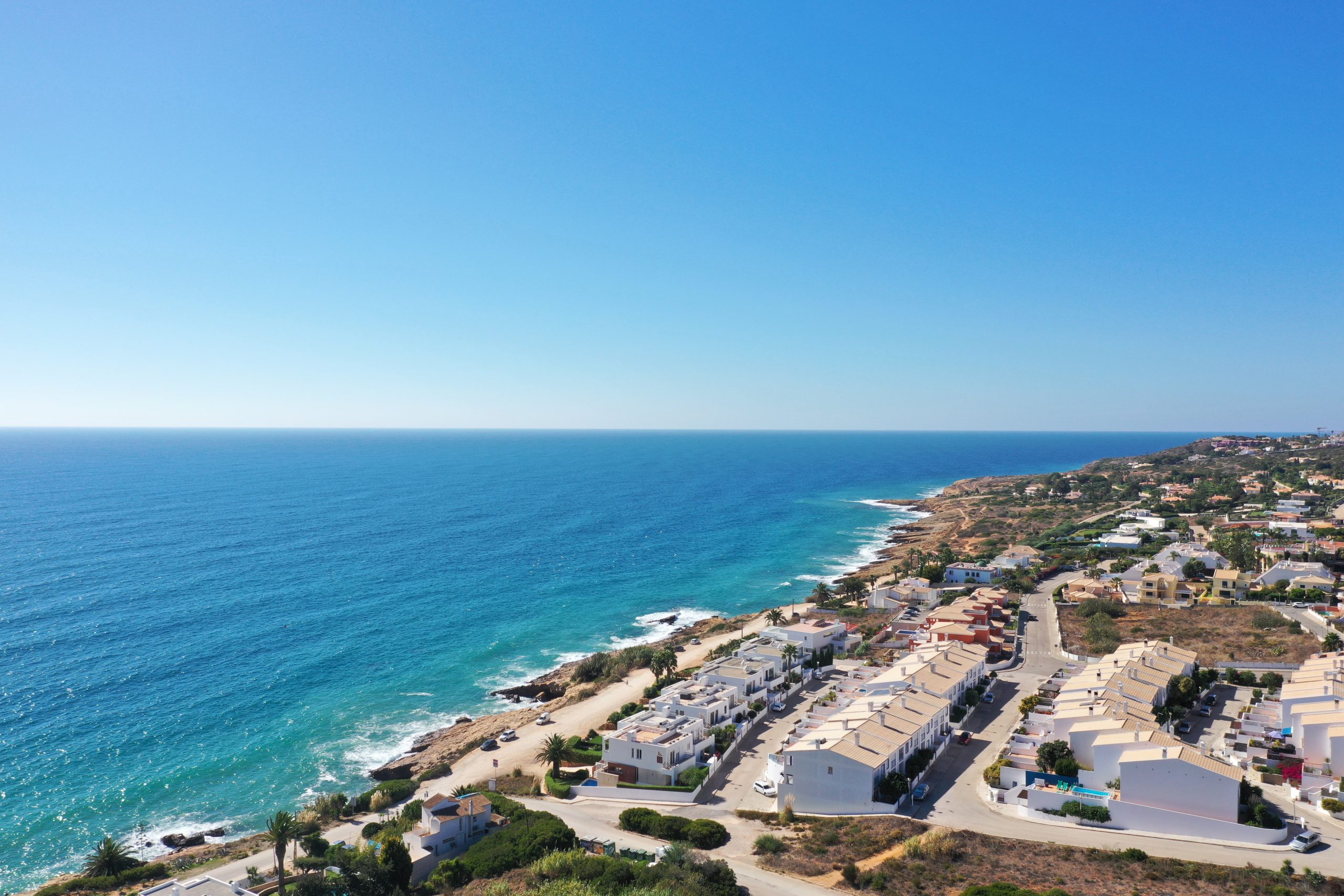
Once a property purchase completes in Portugal, attention quickly shifts from the transaction itself to getting everything in place to actually live in, or run, the property properly.
This part of the process is often underestimated. Not because it is particularly complex, but because it is not centralised. Utilities, banking, and administrative setup are all handled separately, and nothing transfers automatically simply because ownership has changed.
For buyers in Lagos and the wider Algarve, understanding how this stage works makes the transition significantly smoother.
By the time most purchases reach completion, buyers will already have a Portuguese bank account in place. While it is not strictly required to complete a purchase, it becomes practically necessary immediately afterwards.
Ongoing costs such as property tax (IMI), utilities, and any condominium fees are all far easier to manage locally. Without a Portuguese account, payments can still be made from abroad, but it introduces unnecessary friction, particularly when dealing with recurring charges.
For this reason, even buyers who complete without a local account tend to open one shortly afterwards. It simplifies administration and removes the need to manage multiple payment methods across different countries.
Utilities do not automatically transfer from the previous owner. Each service must be set up or moved into the buyer’s name individually.
Electricity is typically the most straightforward. With the correct property details, meter reference, and NIF, the contract can usually be transferred within a few days. The key is ensuring the existing supply is not interrupted during the changeover.
Water is handled at a municipal level. In Lagos, this is managed by the local council, and the process can vary slightly depending on the property and documentation available. It is not unusual for this step to require more coordination than electricity, particularly if paperwork is incomplete or needs updating.
Internet and television services require a bit more consideration. Fibre coverage is widely available across the Algarve, but connection quality can still differ depending on the exact location and building. It is generally worth confirming availability before committing to a long-term contract, as most providers require minimum terms.
Gas is one of the more property-dependent elements.
Many properties in the Algarve, particularly villas, rely on bottled gas rather than a mains connection. In these cases, supply is managed through deliveries or local collection points. Apartments or newer developments may have mains gas, but this is not universal.
Understanding which system the property uses, and how it is currently supplied, is something that should ideally be clarified early, as it affects both cost and day-to-day management.
Once the purchase is complete, the property must be correctly linked to the new owner within the Portuguese tax system.
Your lawyer will usually handle the formal registration, but it is still important to ensure that your details are correctly recorded for ongoing tax purposes. Property tax (IMI) is issued annually, and any errors in registration can result in missed correspondence or delays in payment.
At the same time, any existing contracts or service agreements associated with the property should be reviewed and either transferred or replaced, depending on their terms.
Although each individual step is relatively straightforward, they do not all move at the same pace.
Electricity can usually be resolved quickly, while internet installation may take longer depending on availability and scheduling. Water and local administrative steps can vary depending on documentation and municipal processes.
For this reason, buyers who begin organising these elements slightly ahead of completion, or immediately afterwards with the right support, tend to experience a far smoother transition than those approaching everything at once.
Once utilities, banking, and registration are in place, the property effectively becomes fully operational. At that point, ongoing management is relatively simple, particularly compared to the purchase process itself.
The key difference is that, unlike in some other countries, these systems do not automatically align when ownership changes. A small amount of coordination is required, but once handled properly, everything runs as expected.
For buyers in Lagos, where many purchases involve international clients and second homes, this stage is a standard part of the process.
Working with local real estate professionals who are familiar with the local setup can make a noticeable difference, particularly when coordinating utilities, documentation, and timelines across multiple providers.